

Dark mode

Economic expectations for Việt Nam’s National Election
As Việt Nam prepares for the upcoming election to the 16 National Assembly and People's Councils for the 2026 - 2031, its economic outlook is drawing attention. Despite global challenges, the country maintained strong momentum, with GDP growing about 8% in 2025.
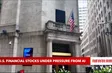
U.S. financial stocks under pressure from AI
Economy 02:26U.S. financial stocks endured a volatile week as investors took a closer look at how autonomous AI assistants could reshape banking and asset management. A shift in the way consumers manage their money could challenge some of the advantages traditional banks have long relied on and put pressure on their earnings.

Promoting circular economy in the shrimp industry
Economy 02:24Each year, the shrimp industry generates large amounts of processing by-products. Treated as waste, they pose an environmental burden. But when recovered and recycled, these materials can become valuable inputs for other industries. Public-private cooperation is key to building a circular chain, reducing waste and increasing the value of shrimp.

Europe seeks ways to reduce risk of fuel shortages
Economy 01:58Rising fuel prices are putting additional pressure on travel and living costs across Europe. With supplies from the Middle East remaining unstable, the EU is also looking for ways to increase the amount of diesel and aviation fuel that can be brought onto the market in the short term.

ADB: Vietnam’s growth outlook
Economy 02:45Rapid growth is opening up exciting new opportunities for Vietnam's economy, but it also poses a major question: how can the country sustain this momentum while simultaneously improving the quality of that growth?

Vietnam to host Asia Securities Forum
Economy 00:59Vietnam will host the 31st Asia Securities Forum in Hanoi from 30 September to 3 October, bringing together securities associations and capital market organisations from across Asia. Jointly organised by the Vietnam Bond Market Association (VBMA) and the Vietnam Association of Securities Business (VASB), this year's forum covers key global financial trends, including ESG, digital transformation, and AI applications in capital markets.

Vietnamese businesses on path to medical technology mastery
Economy 03:04Vietnam’s medical device market is projected to reach 2.8 billion dollars by 2029. Yet, with around 90% of medical equipment still imported, strengthening domestic technological capacity has become an economic priority. For Vietnamese businesses, mastering medical technology means reducing reliance on overseas suppliers, building domestic industrial capabilities, and capturing greater value from a growing market.
Contact us
+(84)24.6327.1999 | Fax: +(84)24.3771.8838
43 Nguyen Chi Thanh Street, Giang Vo, Hanoi, Vietnam
About us
Connect with us


