

Dark mode

UAE exits OPEC: A turning point for the global energy market
On 28 April, the United Arab Emirates announced that it was quitting OPEC and OPEC+, dealing a heavy blow to the oil-exporting groups at a time when the Middle East conflict has caused an unprecedented energy crisis and rattled the global economy. The exit is no longer just a shock announcement. The focus now is on what comes next, especially for OPEC.
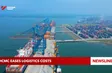
Ho Chi Minh City eases logistics costs
Economy 03:07From 1 July this year, nearly 94,100 businesses in Ho Chi Minh City have been exempt from seaport infrastructure fees for the next three years under a new policy aimed at supporting trade and easing pressure on organisations. The measure is intended to strengthen long-term economic growth.

Metro drives new urban growth hubs
Economy 03:00Under Hanoi’s 100-year master plan, an urban rail network is identified as strategic infrastructure for connecting new growth poles and transforming the capital into a multi-centred city. By expanding development space and improving accessibility, the metro network is expected to stimulate economic activity, services and real estate development. That transformation is already beginning to reshape Vietnam’s property market.

Lam Dong - upgraded airport to unlock new growth
Economy 02:25In Vietnam's Central Highlands, Lien Khuong International Airport — the primary gateway to the popular resort city of Da Lat — has launched its first calibration flight following a four-month closure for major upgrades, with full reopening set for August 19th. The revived airport is expected to provide a crucial economic boost as Lam Dong province targets double-digit growth.
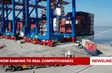
From ranking to real competitiveness
Economy 03:11In recent years, a series of reforms in administrative procedures, decentralization, and digital transformation have helped shorten processing times, reduce compliance costs, and improve the investment and business environment. These are also key criteria in the IMD World Competitiveness Yearbook, reflecting the governance quality and the efficiency of the business environment.
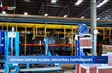
Vietnam deepens global industrial partnerships
Economy 02:45On 22 July, an international conference on commercial vehicles and industrial equipment in Hanoi brought together global manufacturers and policymakers to deepen industrial partnerships and explore new opportunities for investment and technology cooperation.
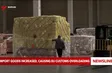
Import goods increased, causing EU customs overloading
Economy 01:51The explosion of cross-border e-commerce is creating increasing pressure on the European Union customs system. The number of imported goods increased rapidly, while the inspection rate dropped to a very low level, increasing the risk of unsafe and substandard goods entering the market.
Contact us
+(84)24.6327.1999 | Fax: +(84)24.3771.8838
43 Nguyen Chi Thanh Street, Giang Vo, Hanoi, Vietnam
About us
Connect with us


